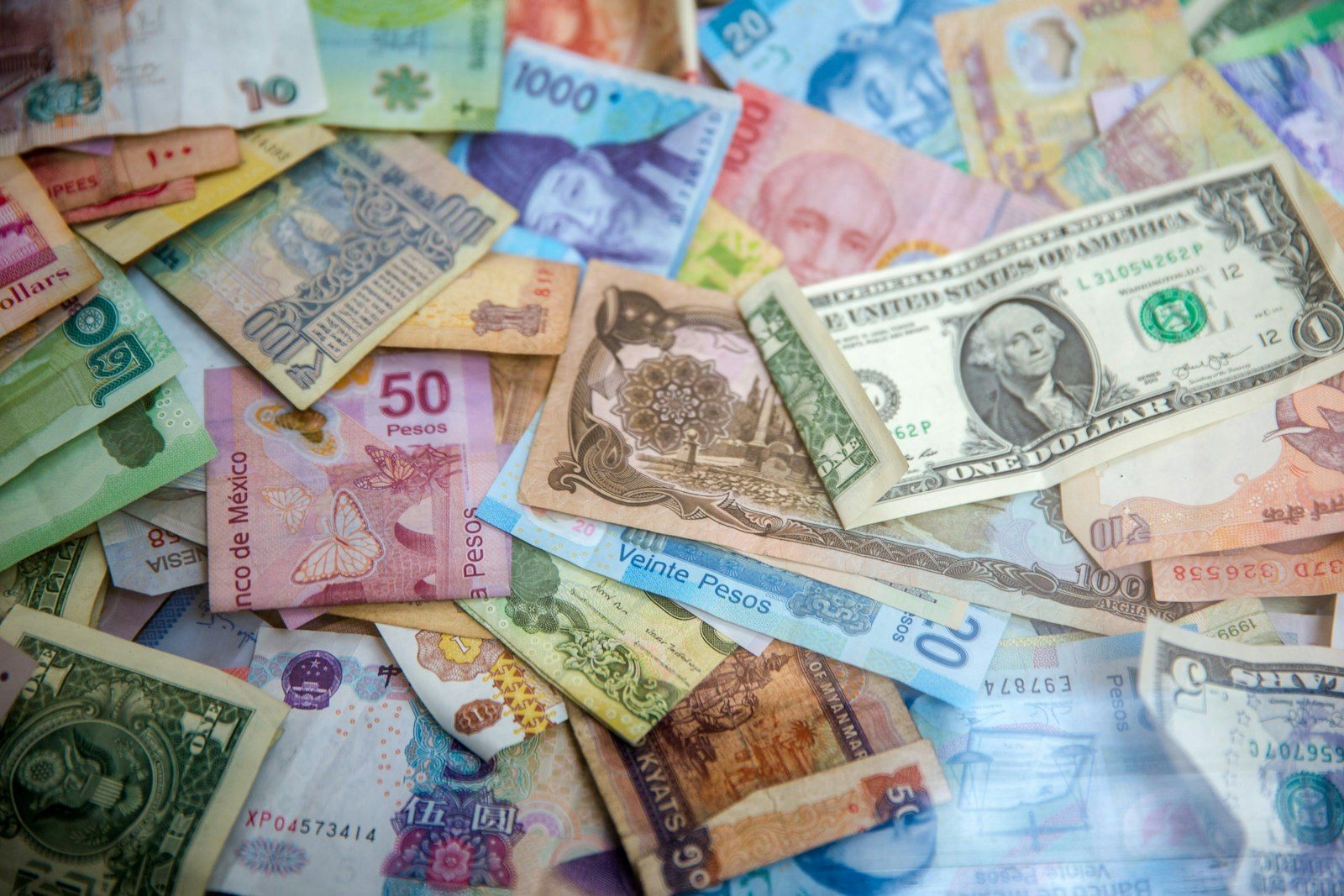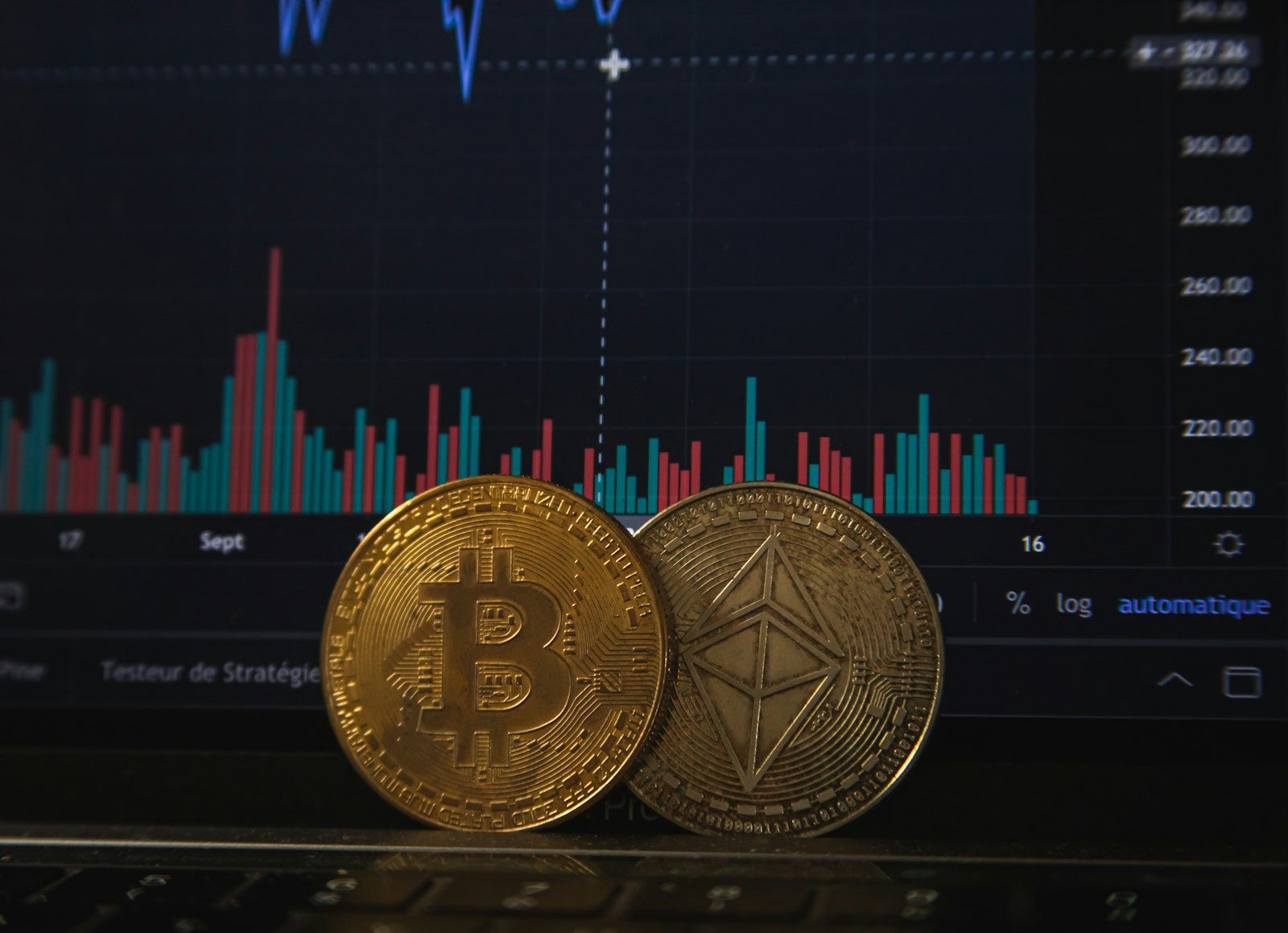




Selling internationally opens up huge markets — and introduces a new kind of risk. The moment you price, invoice or get paid in more than one currency, exchange rate movements start affecting your margins.
What is FX risk?
Foreign exchange (FX) risk is the chance that a change in currency rates reduces the value of money you are owed, or increases the cost of money you owe. A 5% swing between invoicing a customer and receiving payment can be enough to wipe out the profit on a deal.
The three main types of FX exposure
Transaction risk
The most common for growing businesses. It arises in the gap between agreeing a price in a foreign currency and actually settling it.
Translation risk
Affects companies with overseas subsidiaries or foreign-currency balances, when those amounts are converted back into the reporting currency for the accounts.
Economic risk
The longer-term impact of currency movements on competitiveness — for example, a strong home currency making your products more expensive for overseas buyers.
Practical ways to manage FX risk
- Hold multi-currency balances. Receiving and keeping funds in the currency you were paid in lets you choose when to convert, instead of being forced to accept whatever rate is on offer that day.
- Match revenues and costs. If you earn in euros, paying euro-denominated suppliers or staff from that balance avoids converting twice.
- Price locally, but review regularly. Local-currency pricing improves conversion. Set a regular cadence to review prices as rates move.
- Shorten payment cycles. The less time between invoice and settlement, the less time rates have to move. Faster payments mean less exposure.
- Use hedging tools where appropriate. Forward contracts can lock in a rate for known future payments. Larger exposures may warrant advice from a treasury specialist.
- Watch the hidden costs. Many providers bury fees in wide exchange-rate spreads. Compare the rate you receive with the mid-market rate.
Make FX visible
You cannot manage what you cannot see. Track how much revenue and cost you hold in each currency, and how rate changes have affected your margins over time. Even a simple monthly report can reveal exposures worth acting on.
This article is for general information only and is not financial advice.
Building on Syper
Syper's multi-currency wallets let businesses receive, hold and pay out in multiple currencies from one place, giving you more control over when and how you convert. If you are selling globally, start building on Syper today.